Ulrich Powell · 4 September 2026
Navigating Inventory Sourcing Challenges in Recurring Tactical Equipment Deliveries
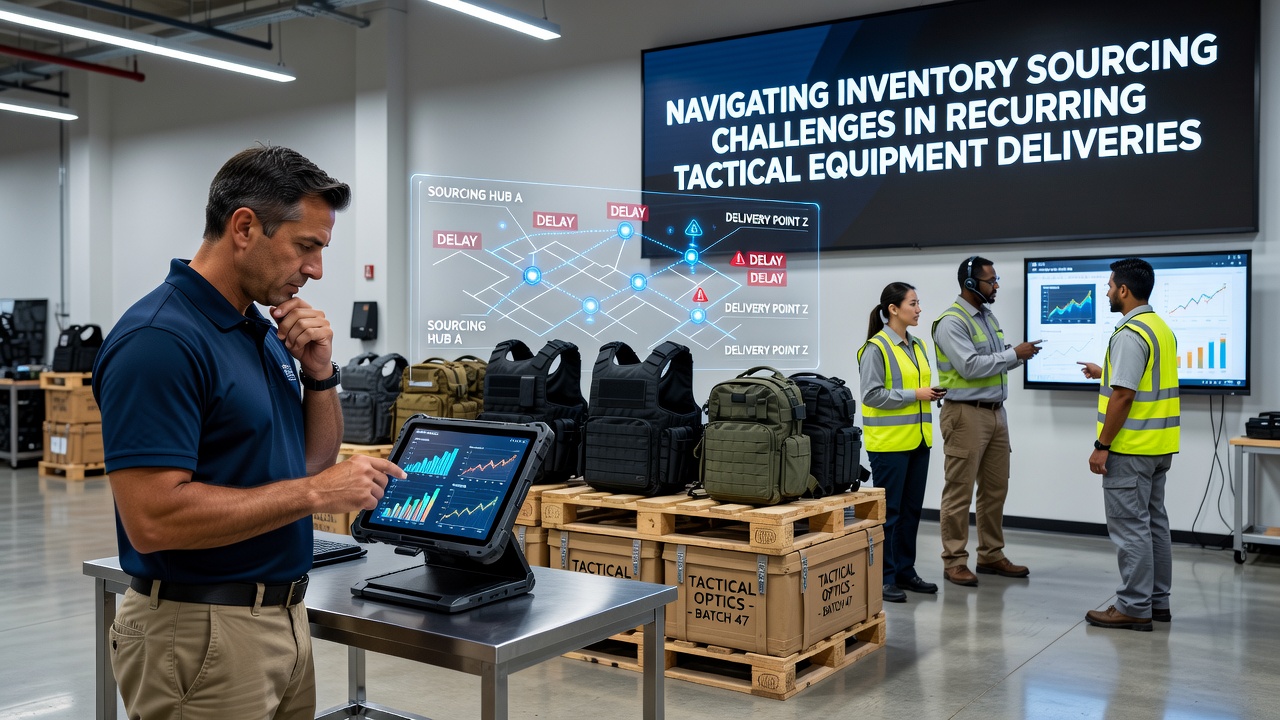
Recurring tactical equipment deliveries depend on steady access to specialized gear such as protective vests, communication devices, and field tools, and organizations face ongoing pressures to maintain consistent stock levels amid shifting supplier capacities and material availability. Data from defense logistics studies show that these operations often encounter delays when raw material costs fluctuate or when transportation networks experience disruptions, which forces procurement teams to adjust sourcing timelines and vendor contracts on short notice.
Understanding Core Sourcing Pressures
Supply chain analysts track multiple factors that affect recurring shipments, including vendor reliability and quality assurance protocols that must align with strict performance standards for tactical items. Researchers at various institutions note that geopolitical developments can alter export regulations, which in turn impacts the flow of components sourced from international manufacturers, and this situation requires companies to maintain diversified supplier lists to avoid single-point failures. In practice, those managing recurring deliveries report that lead times for certain electronics and composites have extended by several weeks compared to earlier periods, prompting adjustments in order forecasting models.
Forecasting Demand Patterns
Accurate prediction of order volumes plays a central role because recurring tactical equipment programs serve clients who require predictable replenishment cycles. Studies from industry research groups indicate that seasonal variations and training schedule changes create spikes in demand that exceed initial projections, and procurement specialists use historical shipment data combined with client feedback loops to refine these estimates. When forecasts miss the mark, inventory shortfalls emerge that delay subsequent deliveries and increase expedited shipping expenses.
Supplier Relationship Management
Long-term contracts with manufacturers provide one avenue for stabilizing supply, yet these agreements must incorporate clauses that address quality inspections and contingency sourcing options. Observers in the field point out that building direct communication channels with suppliers allows teams to receive advance notice of production constraints, which helps coordinate adjustments before shortages reach critical levels. Data compiled by logistics associations reveal that organizations maintaining at least three qualified vendors for each major component category experience fewer interruptions than those relying on fewer sources.
Quality verification processes add another layer because tactical equipment must meet durability and safety benchmarks before integration into recurring shipment cycles. Third-party testing facilities often conduct these evaluations, and the results feed into supplier performance scorecards that guide future contract renewals or terminations.
Technology Integration in Inventory Tracking
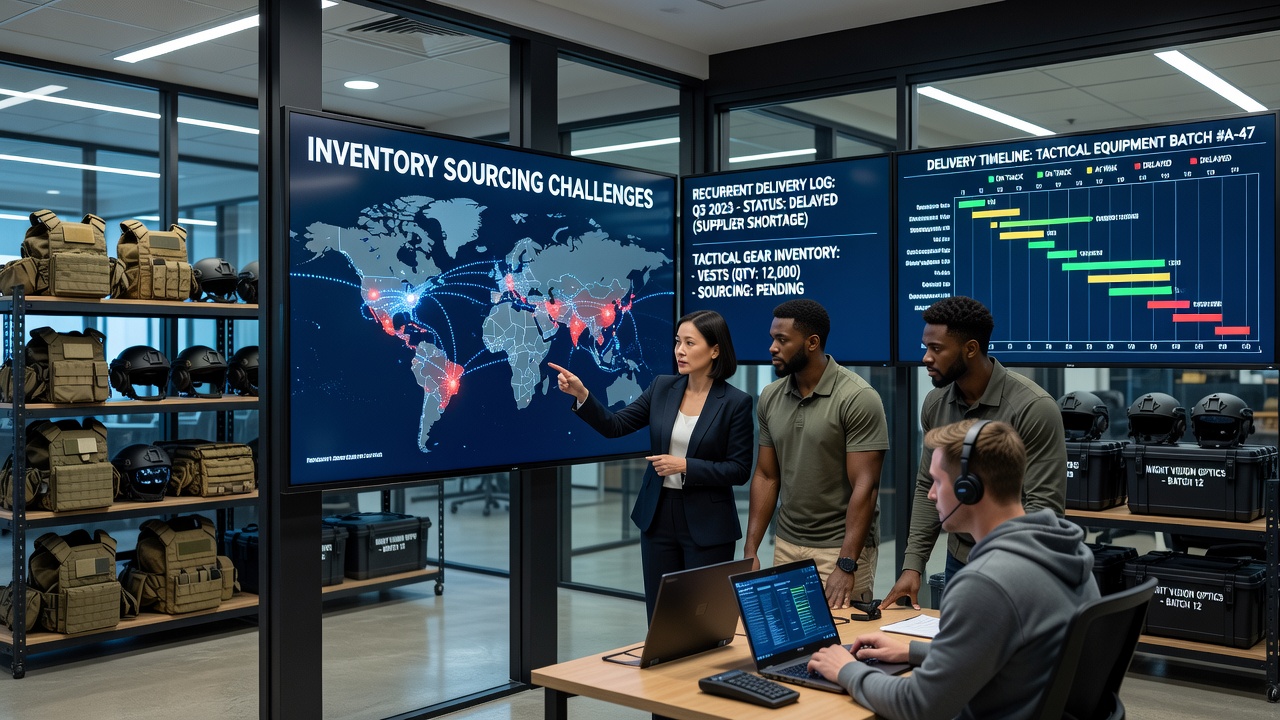
Software platforms that monitor stock levels in real time enable teams to identify potential shortfalls earlier in the replenishment cycle. According to a 2025 report from the U.S. Department of Defense, automated tracking systems reduced stockout incidents by measurable percentages across multiple logistics programs, and similar tools now appear in commercial tactical equipment operations. Integration with supplier databases further allows automatic reordering when thresholds drop below set parameters.
Blockchain-based ledgers have entered the discussion as well, with pilot programs demonstrating improved traceability for components that travel through multiple international facilities. Those who have implemented these systems note enhanced visibility into origin documentation, which supports compliance with import requirements that change periodically.
Regulatory and Logistical Factors
Export controls and customs procedures introduce additional variables that affect delivery schedules for items crossing borders. As of September 2026, updated documentation standards in several regions require more detailed component origin declarations, and procurement groups have responded by updating their compliance checklists and training staff accordingly. Freight capacity constraints during peak periods compound these issues, leading some operators to reserve shipping slots months ahead or explore alternative routing options through regional hubs.
Inventory holding costs also factor into decisions because storing excess tactical equipment ties up capital and requires climate-controlled facilities to preserve item integrity over time. Analyses from Canadian supply chain research centers show that optimized safety stock levels, calculated through statistical modeling, help balance availability against storage expenses without creating unnecessary overstock situations.
Case Examples from Operational Settings
One logistics provider serving government contracts adjusted its sourcing strategy after experiencing repeated delays on specialized optics components, and the team established secondary manufacturing partnerships in different geographic zones to maintain delivery cadence. Another organization focused on civilian tactical training programs implemented joint inventory planning sessions with key suppliers, which reduced order variability and improved overall fulfillment rates according to internal metrics shared in industry presentations.
Conclusion
Effective navigation of inventory sourcing challenges in recurring tactical equipment deliveries rests on coordinated forecasting, diversified supplier networks, and technology-supported monitoring systems that provide timely data. Organizations continue to refine these approaches as material markets and regulatory environments evolve, drawing on documented practices that emphasize proactive communication and contingency planning to sustain consistent shipment performance.