Greta Richter · 16 October 2026
Tracing the Lineage of Modular Design Principles from Military Applications to Consumer Subscription Offerings
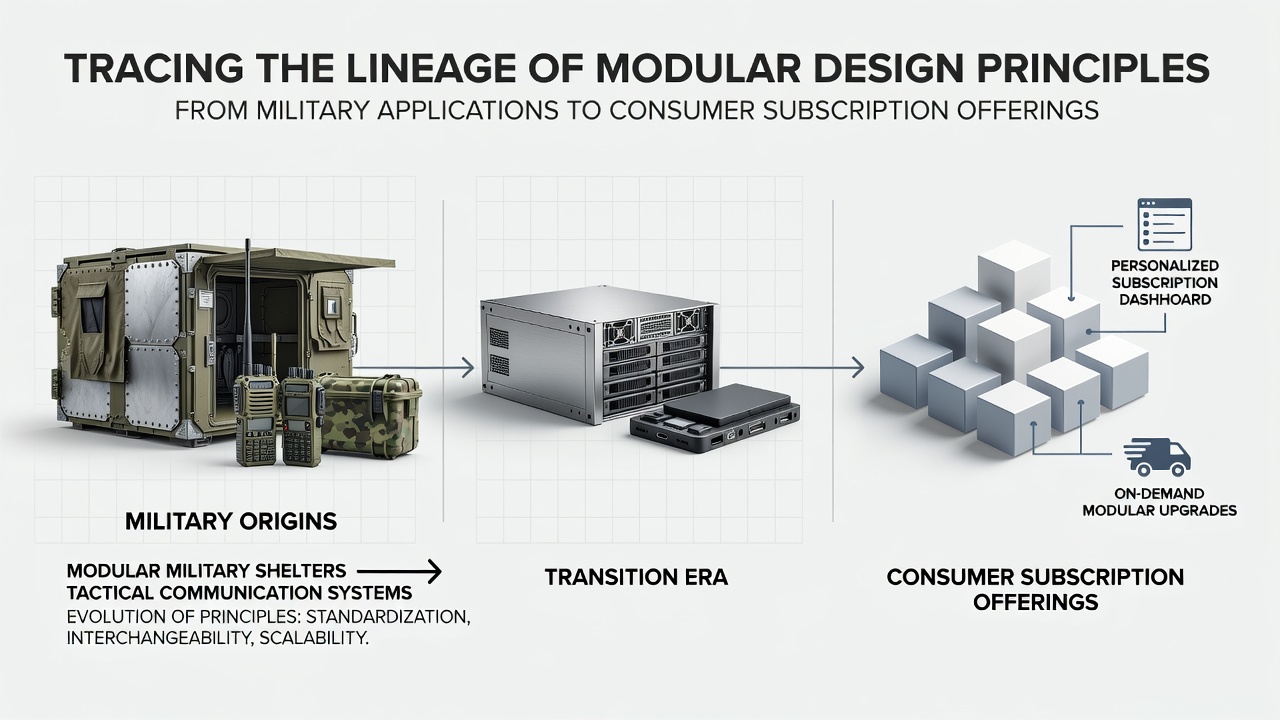
Modular design principles took root in military contexts during the early twentieth century when armed forces needed systems that could adapt quickly to changing battlefield conditions, and engineers developed interchangeable parts for vehicles, weapons, and supply chains that reduced downtime while maintaining operational readiness across diverse theaters. Researchers have documented how these approaches expanded during World War II through standardized container systems and component swaps that allowed troops to reconfigure jeeps or aircraft with minimal tools, and data from defense archives shows that such methods cut repair times by substantial margins in forward operating areas.
Early Military Foundations of Modularity
Postwar developments accelerated the concept as NATO allies coordinated on common interfaces for ammunition, radios, and vehicles, which enabled allied units to share resources without compatibility issues, and observers note that this standardization effort influenced everything from artillery shells to engine mounts across member nations. In the United States, programs like the AR-15 platform introduced rail systems and accessory mounts that let operators attach optics, grips, and lights based on specific missions, while similar initiatives in European forces emphasized quick-swap armor panels and communication modules. Data indicates these designs prioritized field maintenance over bespoke manufacturing, which lowered overall lifecycle costs according to records maintained by the US Department of Defense.
By the 1980s and 1990s, modularity extended into logistics with palletized loading systems and containerized shipping that mirrored commercial practices yet originated in military requirements for rapid deployment, and studies from defense research centers reveal how these frameworks supported everything from humanitarian relief to large-scale exercises. Australian Defence Force reports from the same era highlight parallel efforts in modular vehicle bodies that supported both combat and transport roles without requiring entirely new fleets.
Transition Mechanisms and Technology Transfer
Technology transfer occurred through defense contractors who applied military lessons to civilian markets once patents expired or dual-use applications emerged, and this process gained momentum as computing power allowed digital modeling of interchangeable components. Engineers who had worked on aircraft modularity programs moved into automotive and electronics sectors, carrying principles of standardized interfaces that permitted upgrades without full replacements. Evidence from industry timelines shows that consumer products began incorporating these ideas in the late 1990s with customizable computers and toolkits that echoed military accessory rails.
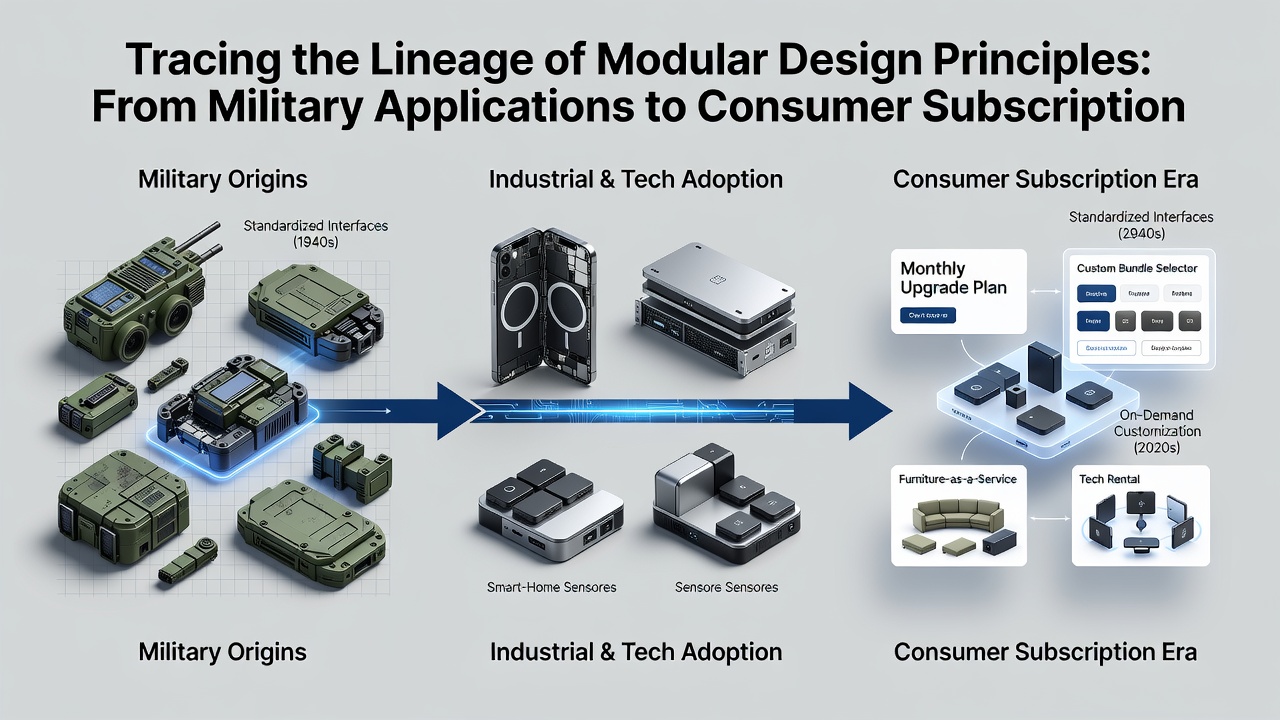
What's interesting is how subscription models later adopted the same logic, because recurring delivery services could ship core items plus optional modules that users assembled according to personal needs. One study revealed that outdoor and tactical gear subscriptions drew directly from military packing lists when curating monthly assortments, allowing subscribers to mix base equipment with specialized add-ons like lighting attachments or storage solutions.
Application in Modern Subscription Offerings
Consumer subscription offerings now use modular kits where base crates contain foundational items and expansion packs provide mission-specific upgrades, and this structure mirrors how military units once configured loadouts for different environments. Data from logistics analyses indicates that such systems reduce waste because users order only needed modules rather than complete sets each cycle, while suppliers benefit from predictable production runs of standardized parts. In October 2026, several industry gatherings are expected to showcase updated digital configurators that let subscribers preview modular combinations before shipment, building on earlier military simulation tools that optimized equipment mixes.
Trade reports from the International Organization for Standardization note that many subscription services reference military-derived interface standards when designing connectors for add-on accessories, ensuring compatibility across product generations. Researchers have tracked how this lineage appears in adventure supply subscriptions where users swap hydration systems, communication devices, or protective layers without purchasing entirely new kits, and figures reveal higher retention when options scale modularly rather than through fixed bundles.
Broader Industry Patterns and Data Trends
Patterns across regions demonstrate consistent evolution, whereas North American services emphasize firearm-adjacent accessories rooted in US military designs, European counterparts often focus on environmental modularity drawn from NATO vehicle programs. Academic papers from engineering departments document how these consumer adaptations maintain core principles of interoperability and field repairability that originated decades earlier in defense laboratories. Observers note that subscription platforms increasingly publish component specifications openly, which echoes the open-architecture approaches once limited to classified military projects but now drives broader innovation.
Supply chain data further illustrates the connection, because modular sourcing allows providers to stock common interfaces globally while varying only the functional inserts, and this reduces inventory complexity in ways that parallel military prepositioning strategies. Those who have analyzed retention metrics across subscription categories find that offerings built on interchangeable parts sustain longer engagement cycles compared with non-modular alternatives.
Conclusion
The lineage from military applications to consumer subscription offerings rests on documented principles of standardization, adaptability, and efficient reconfiguration that have persisted across decades of technological change. Records from defense agencies and industry analyses confirm that these methods continue to shape how equipment reaches end users, whether in operational theaters or monthly deliveries. As digital tools advance, the same foundational approaches support new configurations that maintain the original emphasis on flexibility and reduced logistical overhead.